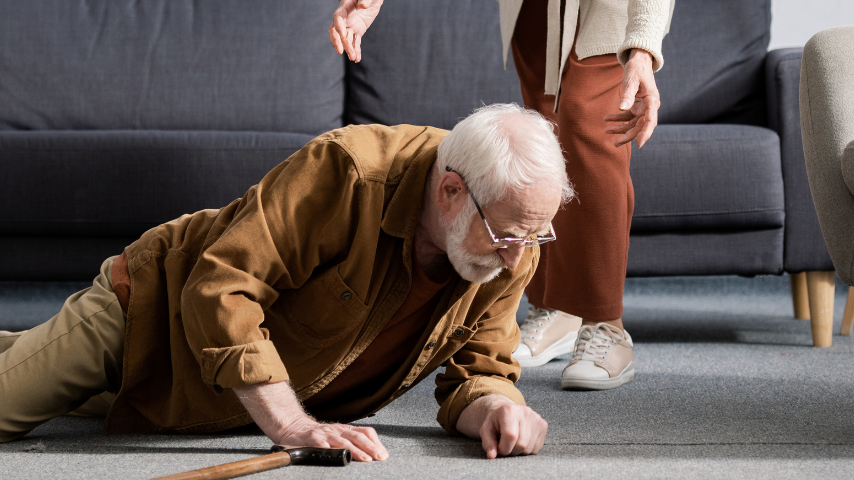
If your elderly parent or grandparent has fallen once, it may have seemed like an accident.
If they have fallen twice in the last few months, it is a warning sign.
This is your last call to help them before a serious injury happens.
When a Fall Is More Than Just an Accident
Falls are one of the clearest signs that an older adult may need extra support. Many families ignore the first fall because their loved one seems “fine” afterward. They may not have broken a bone, needed the hospital, or admitted that anything was wrong. But repeated falls often mean something deeper is happening.
It could be poor balance. It could be muscle weakness. It could be dizziness, medication side effects, vision problems, clutter in the home, unsafe stairs, or difficulty getting in and out of the bathroom. Sometimes, the issue is not one big problem, but many small risks adding up.
Understanding the Risks
This does not always mean your loved one needs full-time care. It means something needs to change.
That change might be simple. A walker, cane, handrails, grab bars, non-slip mats, better lighting, or removing loose rugs can make a major difference. Rearranging furniture, keeping commonly used items within reach, and making sure walkways are clear can also reduce risk.
In other cases, your parent or grandparent may need more regular help. This could mean someone assisting with bathing, walking, getting dressed, meals, medication reminders, or simply being nearby during the parts of the day when falls are most likely to happen.
Why Many Seniors Do Not Ask for Help
The hardest part is that many elderly people will not ask for help. They may be embarrassed. They may be afraid of losing independence. They may not want to worry their children or grandchildren. Some may even downplay the fall completely.
That is why families need to pay attention to the signs.
Signs It Is Time to Take Action
If your loved one is holding onto walls or furniture to walk, avoiding stairs, moving less than usual, struggling to get up from a chair, bruising often, feeling afraid to shower alone, or falling more than once, it is time to take it seriously.
A fall can change everything. It can lead to broken bones, hospital stays, a loss of confidence, and a fear of moving around. Once that fear begins, many seniors become less active, which can make them weaker and increase the risk of falling again.
But early support can help prevent that cycle.
Supporting Independence Through Safety
Helping an elderly parent or grandparent does not mean taking away their independence. In many cases, it is what allows them to keep it. The goal is not to control their life. The goal is to make their home safer, their routines easier, and their daily life more secure.
Do Not Wait for the Third Fall
If your loved one has already fallen twice, do not wait for the third fall to force a decision.
Look around the home. Ask questions. Speak with them honestly. Consider what tools, changes, or support could make their day safer.
Because two falls is not just bad luck.
It is a warning.
And this may be your last call to help before something more serious happens.